Hardwired vs. Battery Smoke Detectors: What NWA Homeowners Should Know
The short version: hardwired, interconnected smoke detectors with battery backup are the code standard for new construction and major remodels, while battery-only detectors are generally still allowed in existing homes that are not being renovated. The longer version, and the part that matters for your family, is the difference in how well each one actually protects you.
What separates the two
A battery-only smoke detector is a standalone unit. It runs on its battery, it monitors the area around it, and if it senses smoke, it sounds its own alarm. That is the whole system. If the battery dies and no one replaces it, the detector does nothing. And if a fire starts at the far end of the house, the alarm in that one location may not be loud enough to wake someone sleeping on the other side.
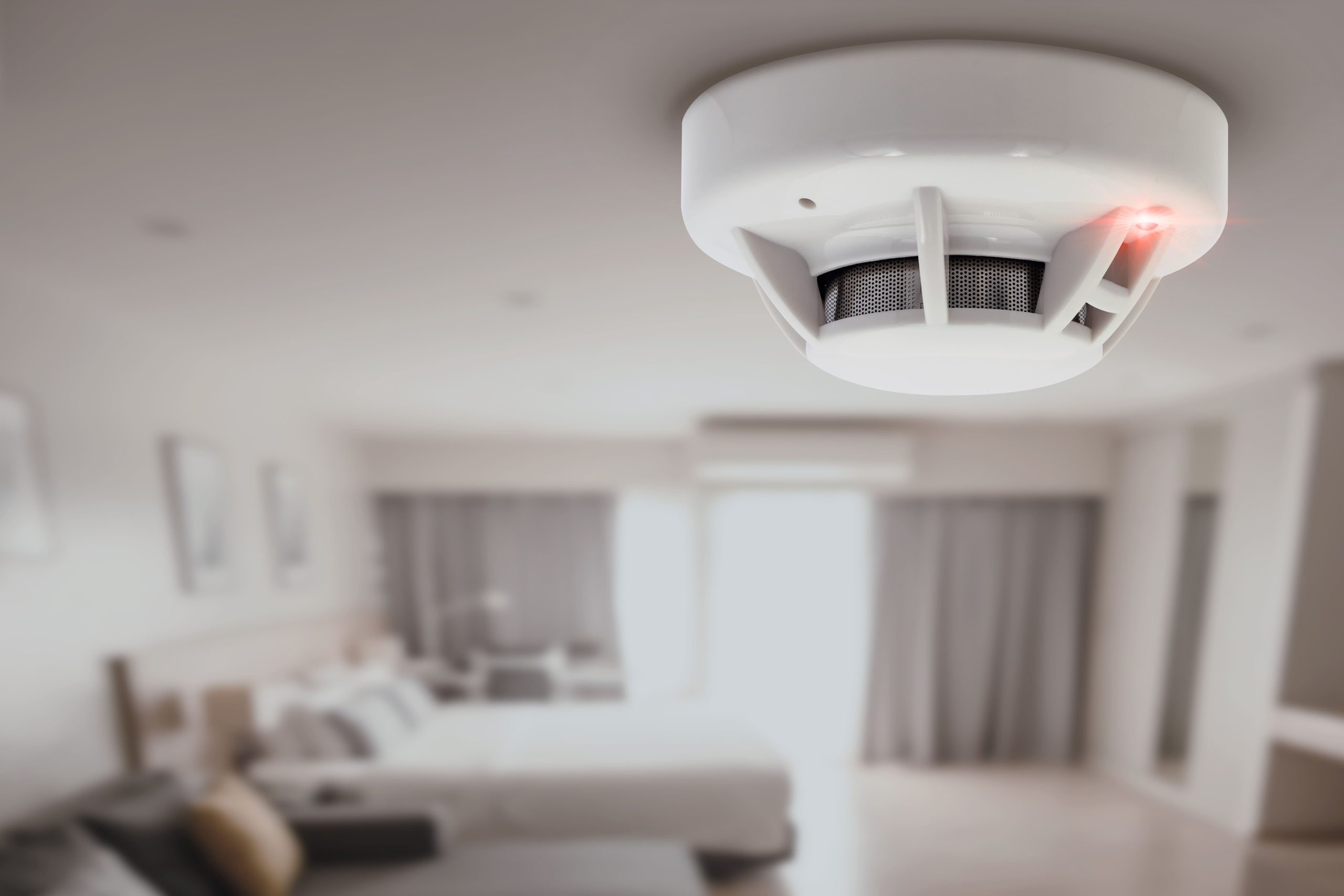
A hardwired detector draws its primary power from the home’s electrical system and includes a battery backup for outages. The more important difference is that hardwired detectors are almost always interconnected. When one alarm detects smoke, all of them sound at once. A fire in the basement triggers the alarm in every bedroom at the same time. In a larger or multi-story home, that head start is the part that saves lives.
The safety gap is not small. Working interconnected alarms reduce the risk of dying in a home fire significantly compared to standalone units, because everyone in the house gets the warning at the same moment rather than only the people near the one alarm that went off.
What code actually requires
For new construction and major renovations, the standard adopted across most of Arkansas through the International Residential Code and NFPA 72 is clear: hardwired, interconnected smoke alarms with battery backup, placed in every bedroom, outside each sleeping area, and on every level of the home, including the basement.
Existing homes are where it gets more nuanced. Code does not force every older home to be retrofitted the moment the standard updates. But there are triggers. If you pull a permit for a renovation, the work usually has to bring smoke detection in the affected areas up to current standards. If you are adding a bedroom or finishing a basement, the new space has to meet current code. And during a home sale, an inspector may flag detectors that fall short.
There is a practical exception worth knowing. Hardwiring is generally not required in existing areas where the walls or ceilings are not being opened up, unless there is attic, crawl space, or basement access that would allow the wiring to be run without tearing into finishes. Where running wire genuinely is not feasible, interconnected battery units are often the accepted path.
What we find in older NWA homes
In older homes across Centerton, Bella Vista, and the rest of the area, what turns up is usually a mix. Some homes have hardwired detectors that were installed years ago and have never been tested. Some have battery units that replaced failed hardwired ones because nobody wanted to deal with the wiring. Some have no interconnection at all, so each alarm is on its own.
A detail many homeowners miss: smoke detectors expire. They should be replaced about every 10 years because the sensors lose sensitivity over time, even on a hardwired unit that appears to be working fine.
What to do about it
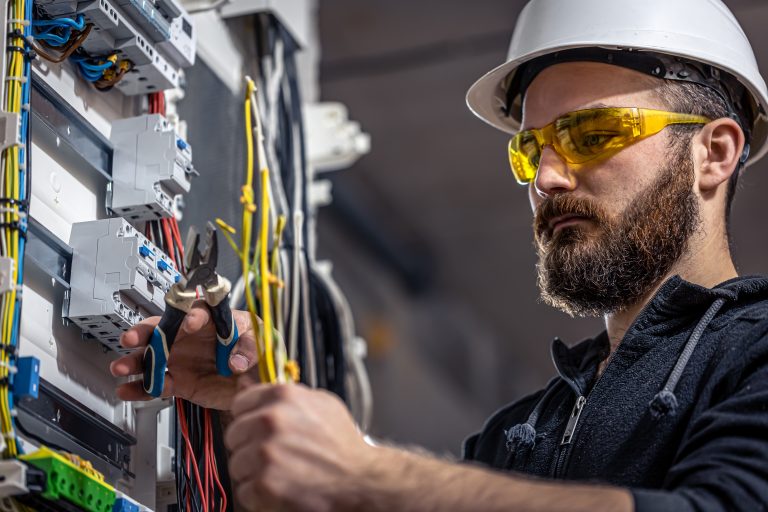
If your home already has hardwired detectors, upgrading to interconnected units is often straightforward, mainly a matter of replacing the devices and confirming the wiring supports interconnection. If your home only has battery units, running wiring for a hardwired interconnected system is a bigger job, but it is one Epic Electric handles regularly, and in homes with attic or crawl space access, it is usually more feasible than homeowners expect.
If you are not sure what your home has, or whether it meets current standards, that is a simple thing to find out. Epic Electric installs and upgrades hardwired smoke detectors across Northwest Arkansas with upfront pricing and same-day service. Licensed and insured. Call (479) 440-3742.