
Too Many Extension Cords at Work? When Your NWA Business Needs More Outlets
Extension cords at work often start with a simple change. A desk moves across the office. A new printer arrives. The break room gets another appliance. Before long, extension cords and power strips are filling the gaps between your business layout and its electrical outlets.
If cords have become part of the daily setup, it is time to have an electrician review the space. For a store in Rogers, an office in Bentonville, or a workshop in Fayetteville, the right solution may be better outlet placement, a dedicated circuit, or a repair to an existing connection. The first step is finding out what the equipment actually needs.
Power strips and extension cords at work do not add circuit capacity
Several open sockets on a strip can make it look as though there is room for more equipment. Those sockets still draw power from the circuit serving the wall outlet. Adding another strip does not increase that circuit’s capacity.
OSHA’s guidance on power strips explains that ordinary strips are intended for smaller loads such as computers and related electronics. It identifies space heaters, refrigerators, and microwave ovens as examples of high power loads that are unsuitable for typical strips. Always follow the equipment and strip manufacturers’ instructions.
Do not connect one power strip to another or use an extension cord to reach a strip. If your equipment cannot reach an appropriate wall outlet, ask an electrician to assess the layout.
5 warning signs you rely too much on extension cords at work
When reviewing extension cords at work, ask whether each cord solves a brief need or supplies equipment that lives in the same place every day. A permanent workstation should have an electrical plan that matches its location and use.
- An extension cord supplies the same desk, counter, or appliance every workday.
- Cords cross a customer walkway or get pinched by doors or furniture.
- Employees keep moving plugs because there are too few convenient outlets.
- New equipment has arrived without a review of its electrical requirements.
- Breakers trip when several devices operate together.
OSHA’s wiring standard, section 1910.305(g), generally prohibits using flexible cords as a substitute for fixed building wiring, subject to specified permitted uses. It also addresses routing cords through walls, doorways, and other openings. A qualified electrician can evaluate the actual installation and the requirements that apply to your workplace.
Replacing extension cords at work: more outlets or a dedicated circuit?
These solve different problems. An additional outlet can put a connection where equipment needs it. A dedicated circuit supplies a particular piece of equipment separately from other loads. Adding an outlet to an already heavily used circuit may leave the underlying problem unresolved.
For example, moving a reception desk may create a placement problem. Adding equipment with a substantial electrical demand may require a different circuit arrangement. An electrician should review equipment labels and instructions, identify the existing circuits, and assess wiring and available capacity before recommending changes.
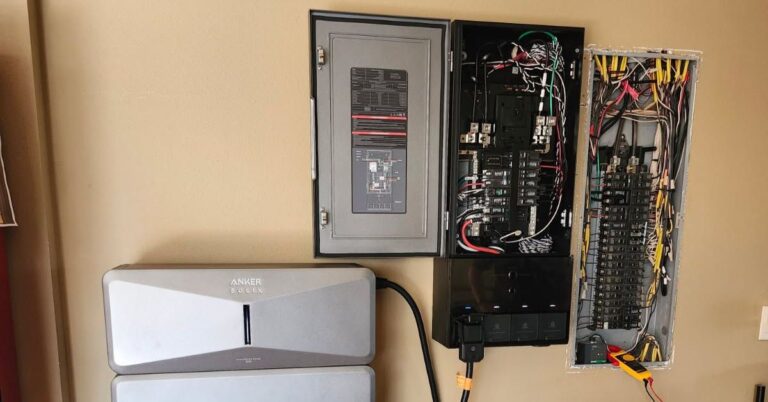
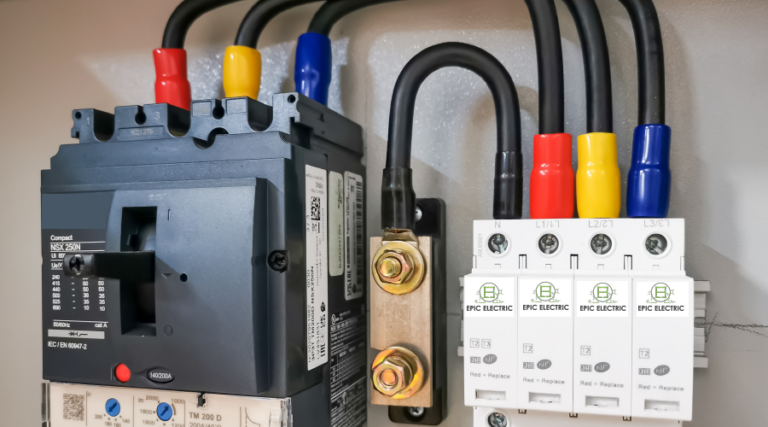
Epic Electric’s commercial electrical repair and maintenance service helps Northwest Arkansas businesses investigate electrical problems. If the assessment points to a panel issue, ask about electrical panel installations and replacements. A panel upgrade should follow an assessment of the system, rather than an assumption that every outlet problem requires one.
Warning signs need prompt attention
Stop using equipment with damaged cords or plugs, discoloration, a burning odor, or unusual heat. Keep people away from the affected area and arrange professional help. For smoke or an active fire, leave the area and call 911. Do not open outlets or panels, handle exposed wiring, or repeatedly reset a breaker to keep equipment running.
OSHA’s equipment use standard requires damaged portable electrical equipment that could cause injury to be removed from service until necessary repairs and tests make it safe. It also prohibits repeatedly resetting protective devices without determining that the equipment and circuit can be safely energized.
What to prepare before your electrician arrives
Before asking an electrician about extension cords at work, make a list of the equipment in the affected area, note when problems occur, and share any planned additions. Photos of the room layout and accessible equipment labels can help. If you lease the space, coordinate with the property owner or manager before authorizing changes to building wiring.
Discuss which equipment must stay available and whether work needs to happen outside business hours. This helps the electrician plan the assessment and explain any necessary interruption before work begins.
If you rely on extension cords at work every day, contact Epic Electric to discuss the space, equipment, and symptoms. A properly planned electrical setup gives your business connections where they are needed and addresses capacity before the next piece of equipment arrives.