
The Ultimate Guide to Pendant Lighting Design
A great light fixture does more than brighten a room. It shapes mood, highlights style, and turns an everyday space into something memorable. The ultimate guide to pendant lighting design gives you a clear path to elevate your home with fixtures that feel both functional and beautiful.
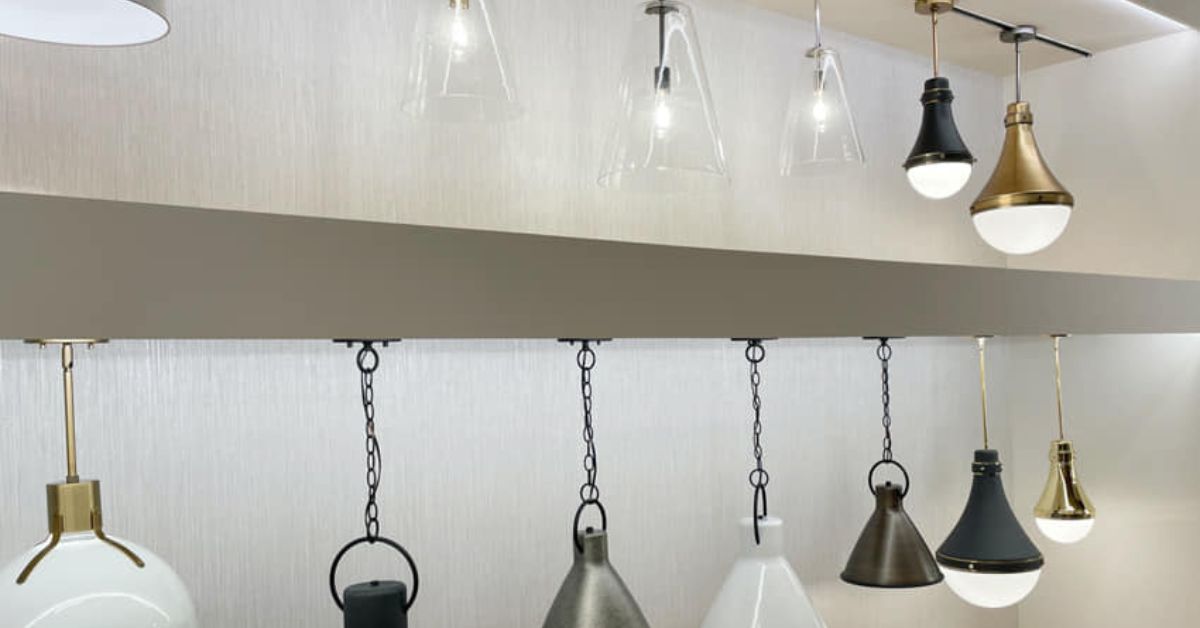
Pendant lighting has earned a strong place in modern homes. These fixtures hang from the ceiling and draw the eye without overwhelming the space. You’ll see them above kitchen islands, in entryways, and even in cozy reading corners. With the right choice, a single pendant can act as a centerpiece. Take a closer look at how a group of pendants can define an entire room.
What Makes Pendant Lighting Stand Out
Pendant lights offer a mix of style and flexibility. Unlike flush mounts, they add depth and dimension. That drop from the ceiling creates an elegantly layered look that feels intentional.
Homeowners love pendants for their range of designs. Sleek glass, matte black metal, warm brass, or woven textures all bring a different vibe. A farmhouse kitchen might feature rustic finishes, while a modern condo leans toward clean lines and minimal shapes.
Function also plays a big role. Pendants deliver focused light, so they work well over areas where tasks take place. Think food prep, reading, or even a hallway that needs a visual anchor.
Choosing the Right Size and Scale
Scale matters more than most people expect. A fixture that feels too small can look lost. One that feels too large can clutter the space.
Start with the room size. A wide kitchen island can handle two or three pendants spaced evenly. However, a smaller island may call for one bold fixture instead.
For dining tables, a single statement pendant works well when centered, while multiple fixtures create a balanced look over longer surfaces.
Height also affects the final result. Pendants should hang low enough to feel connected to the surface below but not so low that they block views or bump heads. For kitchen islands, many homeowners find that about 30 to 36 inches above the surface feels comfortable.
Popular Pendant Lighting Styles
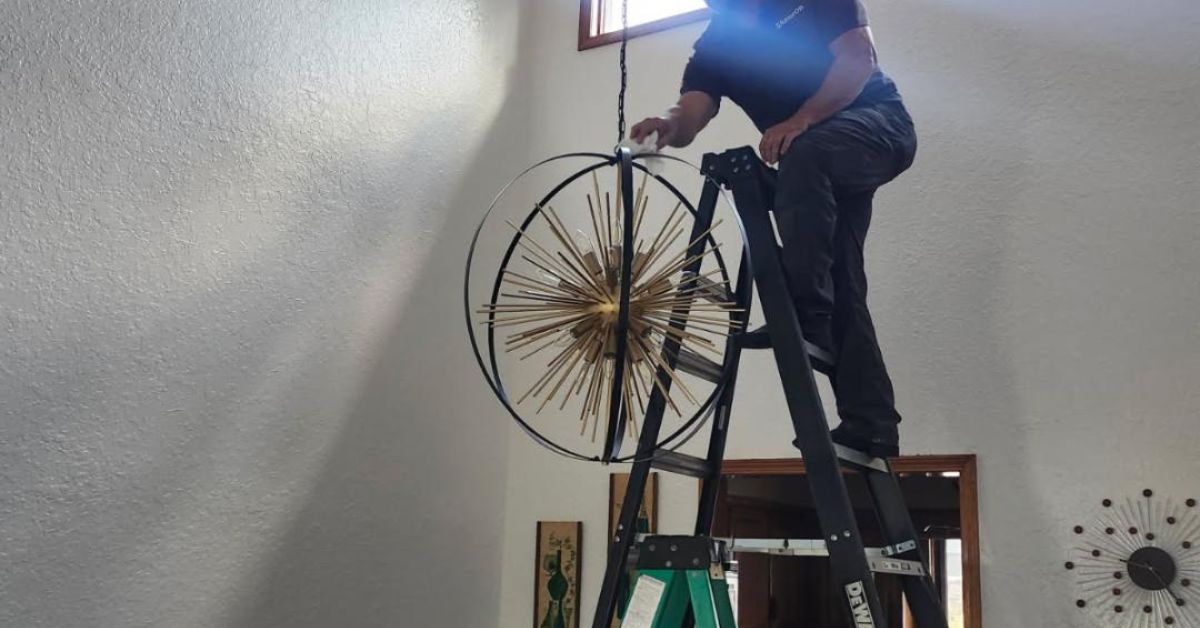
It’s important to know the different styles available as you talk with residential lighting installation services. Design trends shift over time, but a few pendant styles continue to stand out. Let’s break down the best styles available now.
Modern Minimalist
Clean lines and simple shapes define this look. Think smooth finishes, neutral colors, and uncluttered designs. These fixtures blend into contemporary homes without distraction.
Industrial Edge
Metal finishes, exposed bulbs, and rugged details give this style character. It pairs well with loft spaces or homes that lean into raw textures.
Farmhouse Charm
Warm tones, wood accents, and vintage-inspired shapes bring a cozy feel. This style works well in kitchens and dining areas that aim for comfort.
Artistic Statement
Some pendants act as art pieces. Bold shapes, unique materials, or unexpected color choices turn the fixture into a focal point. Each style creates a different mood, so your choice should match the overall feel of your home.
Layering Light for a Balanced Space
Pendant lighting works best as part of a larger plan. A single fixture rarely handles every need in a room. That’s where layering comes in.
Start with ambient light. This forms the base level of brightness in a room. Ceiling lights or recessed fixtures typically fill this role.
Next, add task lighting. Pendants shine here, especially over work surfaces. Finally, accent lighting highlights features like artwork or architectural details. This layered approach creates depth and flexibility. You can adjust light levels based on time of day or activity.
Placement Tips for Common Areas
Pendant lighting offers a simple way to elevate your home without a full renovation. With the right choices, you can create spaces that feel brighter, more inviting, and tailored to your style. The ultimate guide to pendant lighting design gives you the tools to move forward with confidence. Let’s discuss some area-specific applications for pendant lighting at home.
Kitchen Islands
Pendants over an island add both function and style. Space fixtures evenly and align them with the length of the island. Consistent spacing keeps the look clean.
Dining Rooms
A pendant above the table sets the tone for meals and gatherings. Choose a fixture that fits the table shape. Round pendants suit circular tables, while linear designs match rectangular ones.
Entryways
A pendant in an entryway creates a welcoming first impression. It draws attention upward and sets the stage for the rest of the home.
Bedrooms
Smaller pendants can replace bedside lamps. This frees up space on nightstands and adds a modern touch. Each location offers a chance to enhance both function and style.
Choosing the Right Bulb and Brightness
The bulb you select affects more than brightness. It also shapes color and mood. Warm light creates a cozy feel, while cooler tones feel crisp and clean.
Lumens measure brightness. For task areas like kitchens, higher lumens provide better visibility. For relaxation spaces, softer light works better. Dimmable options give you additional control. You can adjust brightness based on the moment, from bright mornings to calm evenings.
Materials and Finishes That Elevate Design
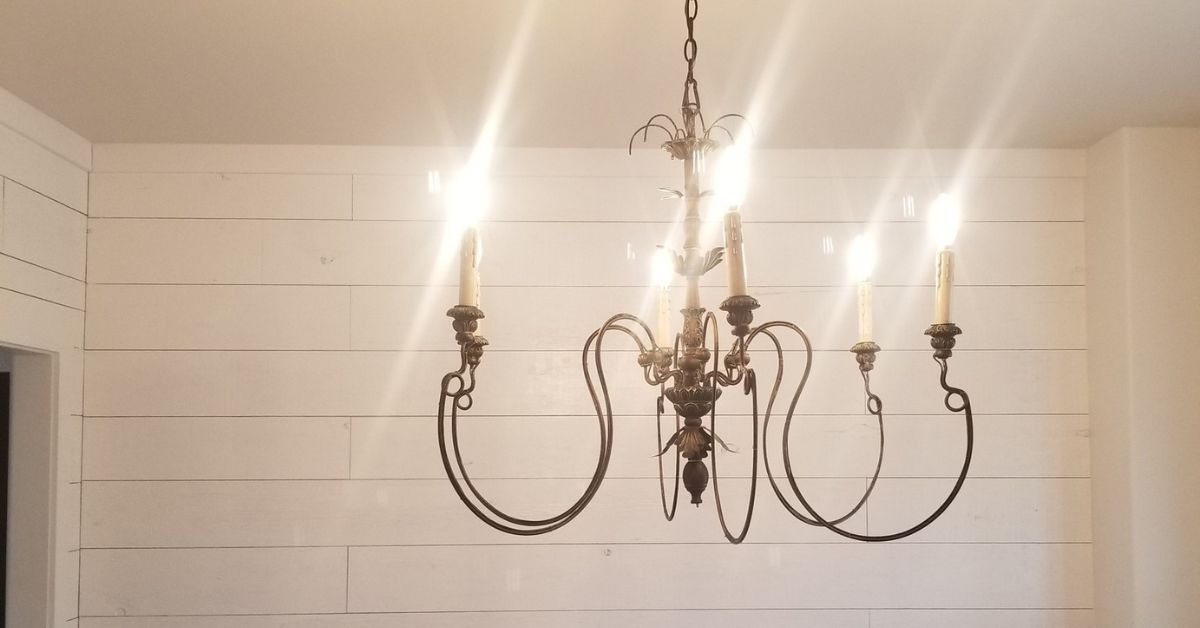
Material choice plays a big role in the final look. Glass pendants feel light and airy, while metal finishes bring structure and contrast. Fabric shades soften the light and create a warm glow.
Mixing finishes can add depth. For example, black fixtures paired with brass accents create a balanced contrast. Keep the overall palette consistent with other elements in the room for a cohesive result.
How Pendant Lighting Transforms a Space
A well-chosen pendant does more than light a room. It shapes how the space feels and functions. Picture a kitchen island with warm, glowing pendants above it. The area instantly becomes a natural gathering spot for family and friends.
These changes may seem subtle at first, but they build a stronger sense of style and comfort throughout the home. Great lighting starts with a clear idea and ends with expert execution. Take time to explore styles, consider scale, and plan placement. Small details add up to a polished result.
When it’s time to install, working with a skilled electrician keeps the process smooth. You avoid guesswork and gain a finished look that feels intentional and refined. Ready to upgrade your lighting? Connect with a trusted professional and bring your ideas into reality. A well-lit home starts with the right team and a clear plan.