What Commercial Electrical Repair in NWA Actually Looks Like and Why It’s Different From Residential
Commercial electrical work and residential electrical work share the same fundamental principles. Beyond that, they diverge in ways that matter to anyone running a business in Northwest Arkansas.
The most immediate difference is downtime. A homeowner dealing with an electrical problem can work around it. A business cannot. A restaurant with a dead circuit in the kitchen, a retail space with half its lighting out, a warehouse with equipment that will not run: every hour without a resolution is revenue the business is not making. Commercial electrical repair has a sense of urgency that residential work does not carry in the same way.
Epic Electric handles commercial electrical repair and maintenance across Bentonville and Northwest Arkansas, responding with the same urgency it brings to residential emergency work.
The Code Difference
Commercial buildings operate under different electrical code requirements than residential homes. The National Electrical Code applies to both, but the specific requirements for commercial occupancies (including wiring methods, circuit protection, panel configurations, and grounding) are more stringent and more complex than what residential work requires. Work that is perfectly acceptable in a home is not necessarily acceptable in a commercial space, and the distinction matters when permits and inspections are involved.
This is why hiring a residential-focused electrician for a commercial problem is a risk. The code requirements are different, and work done to residential standards in a commercial space can create problems at the next inspection or during a lease renewal review.
The Scale Difference
A residential panel handles the load of one home. A commercial panel handles the load of a business that may be running industrial equipment, commercial HVAC, high-intensity lighting, multiple dedicated circuits for specialized equipment, and a full office or retail electrical load simultaneously. Troubleshooting a problem in that environment requires understanding how all of those systems interact, not just isolating a single circuit.
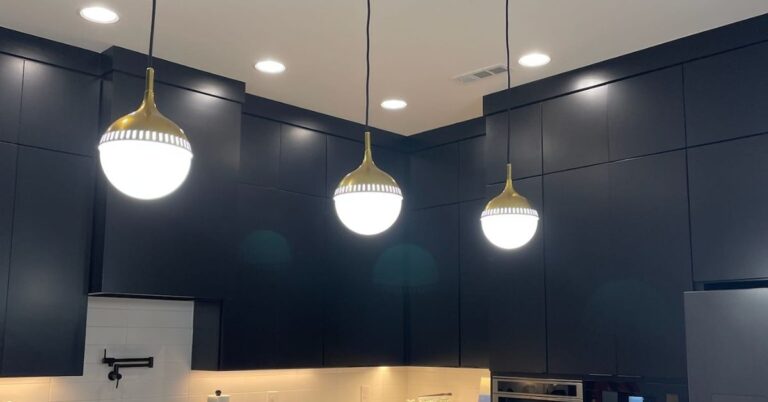
Commercial lighting is a good example. The lighting systems in commercial spaces (whether a retail store, a restaurant, a medical office, or a warehouse) are more complex than residential lighting and more consequential when they fail. Replacing a ballast or a driver in a commercial fixture is different from replacing a residential light fixture, and the configuration of the system determines what the repair actually involves.
What Business Owners Usually Get Wrong
The most common mistake commercial property owners make is treating electrical maintenance the way most homeowners do: waiting until something fails rather than addressing it on a schedule. In a home, that approach is inconvenient. In a business, it is expensive because failures rarely happen at a convenient time, and the cost of downtime compounds every hour.
A second common mistake is assuming that because the building passed its last inspection, the electrical system is in good shape. Inspections confirm code compliance at a point in time. It does not account for how the system has been loaded, modified, or aged since that date.
Epic Electric approaches commercial repair calls with the same upfront pricing process it uses for residential work. Shannon assesses the problem, gives a price before any work begins, and does not start until the business owner has agreed to the scope. The price holds unless something genuinely hidden comes up, and if it does, work stops and the business owner decides before anything moves forward.
Epic Electric provides commercial electrical repair and maintenance across Bentonville and the surrounding Northwest Arkansas area. Same-day service where possible, licensed and insured, upfront pricing on every job. Call (479) 440-3742.