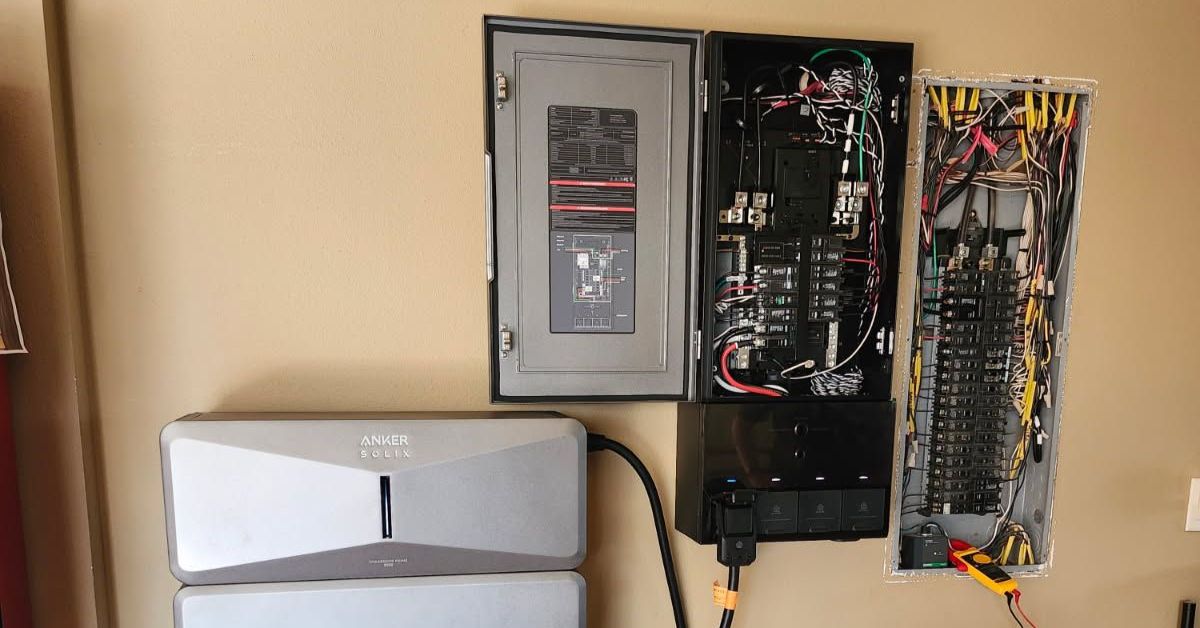
7 Reasons Your Electrical Breaker Keeps Tripping
If your breaker keeps shutting off power, it’s not random. It’s your electrical system trying to protect your home from damage. In this guide on reasons your electrical breaker keeps tripping, you’ll get a clear look at what’s going on and what steps make sense next.
What a Tripping Breaker Actually Means
Your breaker shuts off power when it detects something unsafe. That could be too much electricity on one circuit or a faulty component. The goal is to prevent overheating, damage to appliances, or fire risk. When it happens once, it may not be a big deal. When it happens repeatedly, there’s usually a deeper issue that needs attention.
1. Circuit Overload
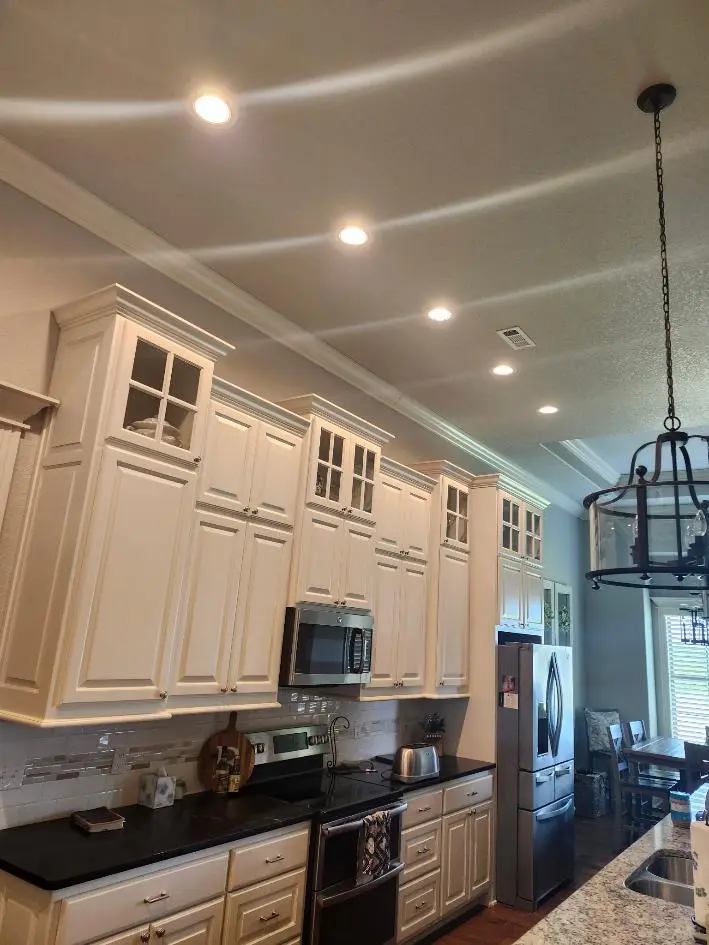
A circuit overload is one of the most common causes. It happens when too many devices pull power from the same circuit at once. Think about a kitchen where the microwave, toaster, and coffee maker all run at the same time.
That demand adds up quickly. The breaker trips to stop wires from overheating. When this happens, you’ll usually notice the breaker trips when multiple devices run together in the same area. Power may come back after a reset, but the issue returns as soon as the load builds again.
In many cases, it’s tied to one part of the home rather than the entire system. To reduce the strain, it helps to spread appliances across different outlets and avoid running several high-power devices at once. In homes where this happens regularly, adding dedicated circuits can prevent the issue from coming back.
2. Short Circuit
A short circuit happens when a hot wire touches a neutral wire. This causes an electrical surge that the system can’t handle. When that contact occurs, the breaker reacts immediately.
You might notice the breaker trips instantly when you turn something on. This can stem from damaged wiring, loose connections inside outlets, or even a faulty appliance. In some cases, you may notice burn marks or a burnt smell near outlets, which points to heat buildup from the fault.
Another common sign is a breaker that trips the moment you plug in or activate a device. Short circuits are situations that you should never overlook. They create a high level of risk and should be handled by a professional who can safely locate and repair the issue.
3. Ground Fault
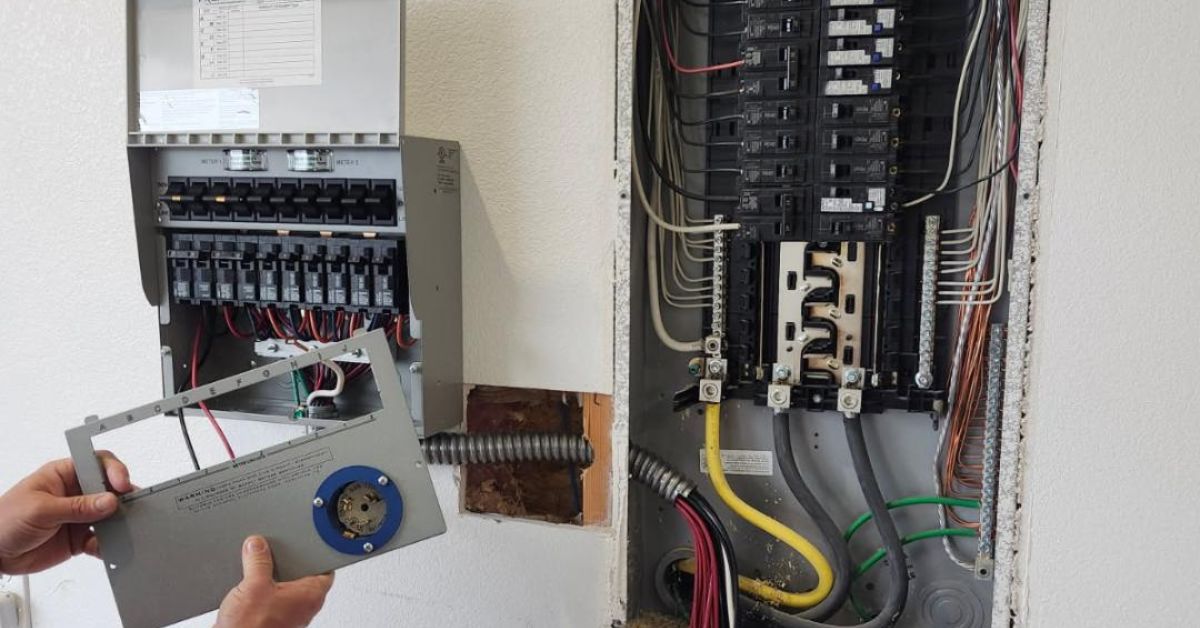
A ground fault is similar to a short circuit, but instead of electricity jumping between wires, it flows into the ground. This is more common in areas with moisture, like bathrooms, kitchens, and garages. Ground fault circuit interrupters (GFCIs) are specifically designed to catch this. When they detect imbalance, they shut things down right away.
You’ll usually see this happen near sinks, outdoor outlets, or laundry areas where moisture is present. A GFCI outlet may trip frequently, or the breaker may shut off power after using appliances near water. These patterns point to electricity moving in an unintended direction.
4. Faulty Appliances
Sometimes the issue isn’t your wiring—it’s what you plug into it. Older or damaged appliances can draw irregular current or create internal faults. For example, a space heater with worn wiring or a refrigerator with internal issues can trip a breaker every time it runs.
A good way to narrow this down is to unplug everything on the problematic circuit. After resetting the breaker, plug items back in individually and observe the results. If the breaker trips when a specific appliance is in use, that device is likely the source of the problem and may need repair or replacement.
5. Aging Electrical Panel
Electrical panels don’t last forever. Older panels may struggle to handle modern electrical demands, especially in homes with updated appliances but outdated systems. If your home still runs on an older panel, it may trip more frequently as it tries to manage current loads.
You might notice breakers tripping more than they used to, even without major changes in usage. In some cases, the panel may feel warm, or you may have added new appliances over time that increase demand. These factors can push an older system beyond what it was initially designed to handle. Upgrading the panel can improve both safety and performance.
6. Loose Wiring or Connections
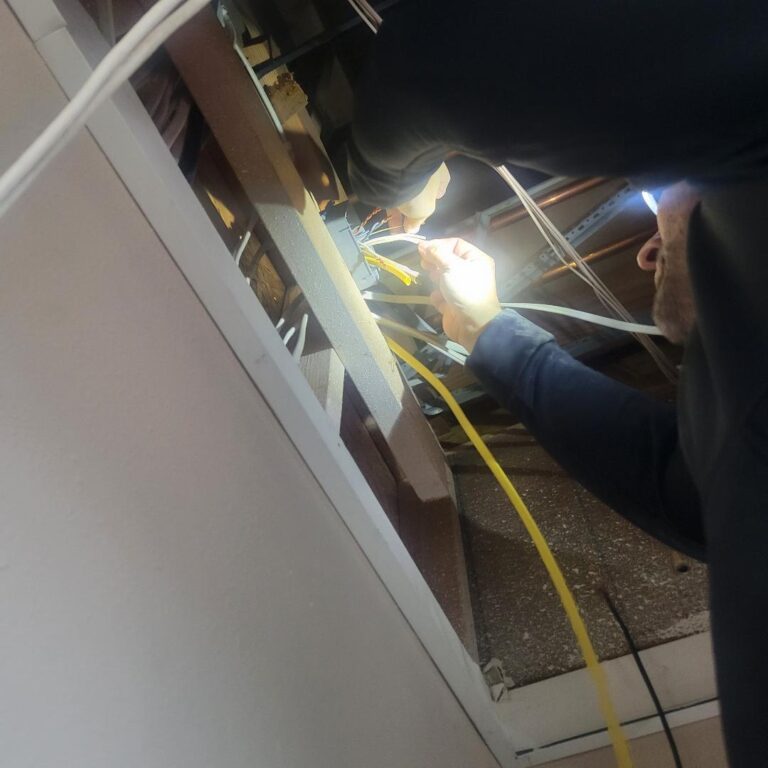
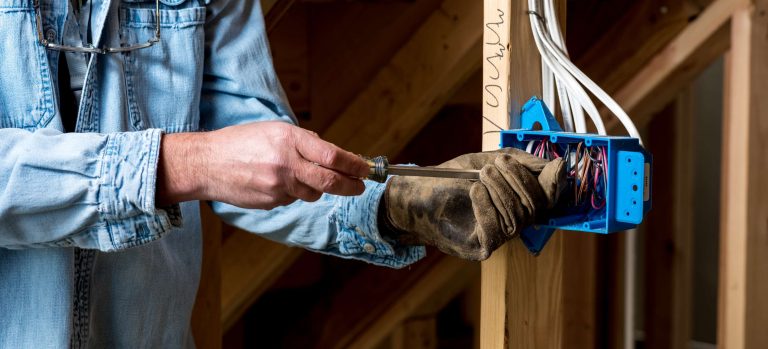
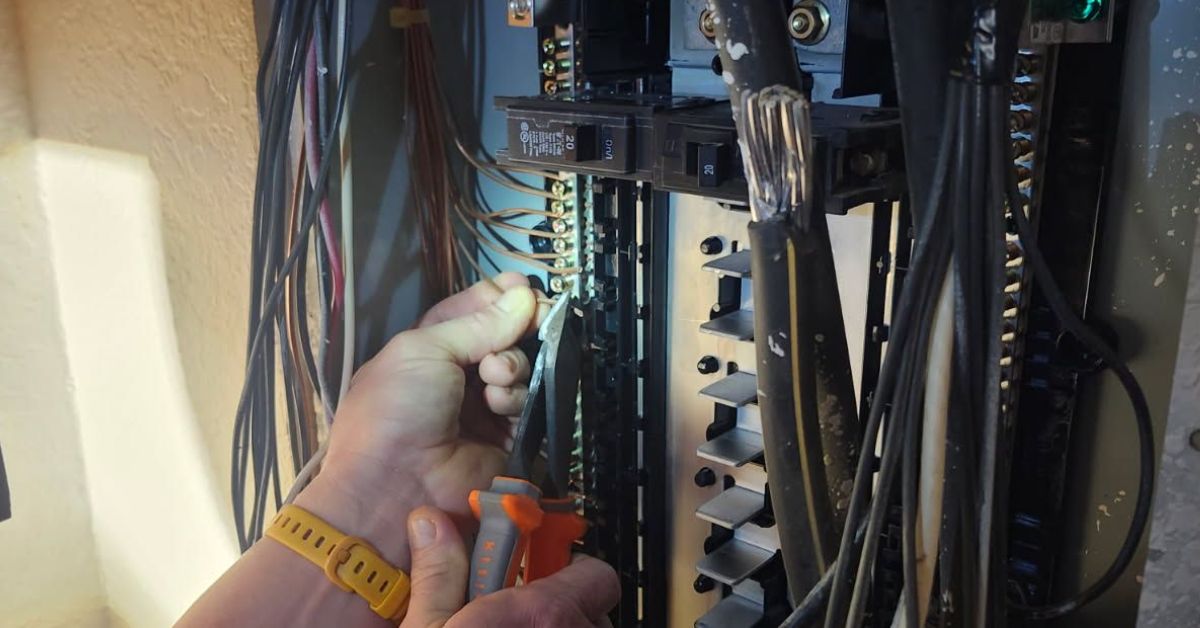
Loose connections can interrupt the smooth flow of electricity. When current jumps across gaps, it creates heat and instability. Your breaker senses this and shuts things down to prevent damage. This can occur inside outlets, switches, the breaker panel, or junction boxes.
Signs may include flickering lights, buzzing sounds, or power that cuts in and out without warning. Because these issues aren’t always visible, they can go unnoticed until the breaker begins to trip regularly. A professional inspection can locate and correct these hidden problems. Thankfully, you can talk to a 24-hour electrician anytime you need local professional assistance.
7. Too Many High-Power Devices on One Circuit
Even if you’re not overloading a circuit all at once, consistent use of high-demand devices can stress it over time. Appliances like HVAC systems, electric ovens, and laundry machines require a large amount of power to operate. When these share a circuit with other devices, the excessive demand can cause repeated trips. This strain eventually builds and leads to interruptions. Moving these appliances to dedicated circuits can help stabilize your system and prevent ongoing issues.
When To Call an Electrician
Some breaker trips have simple explanations, like too many appliances on one circuit. Others point to deeper electrical problems that you should not ignore. You should call a professional if breakers trip frequently or without a clear cause, if you notice burning smells near outlets, or if power cuts out instantly when using certain devices. Homes with older panels that struggle to keep up are also strong candidates for inspection.
Final Thoughts on Tripping Breakers
Understanding the reasons your electrical breaker keeps tripping gives you a better sense of what your home needs. Some causes are minor and easy to manage, while others require a trained eye. If your breaker keeps shutting off power, don’t ignore it or reset it over and over.
That’s your system asking for attention. A professional inspection can pinpoint the issue and restore reliable power throughout your home. If you’re dealing with frequent breaker trips, reach out to a trusted local electrician and get it resolved the right way.