Portable vs. Whole-House Generators: Which To Choose
Power outages can throw off your entire day, from spoiled groceries to a dark, uncomfortable home. A reliable backup power source brings peace of mind and keeps daily life on track. If you’re ready to protect your home, you can explore your options and talk with a licensed electrician about the right setup.
One of the first things you need to learn is how to choose betweenportable and whole-house generators. This decision comes down to your home’s needs, your budget, and how much convenience you want during an outage. Let’s break down how your options work and what you can expect from each.
What Is a Portable Generator?
A portable generator is a compact unit that you can move wherever you need power. It usually runs on gasoline or propane and connects to appliances through extension cords or a transfer switch. Many homeowners keep one on hand for short outages or occasional use.
This type of generator gives you control over what gets powered. For example, you might run your refrigerator, a few lights, and a phone charger during an outage. It won’t power your entire home, but it can keep basic comforts intact.
Portable generators require manual setup. You’ll need to bring it outside, fuel it, and start it when power goes out. That extra effort may feel manageable for some households, especially if outages don’t last long.
What Is a Whole-House Generator?
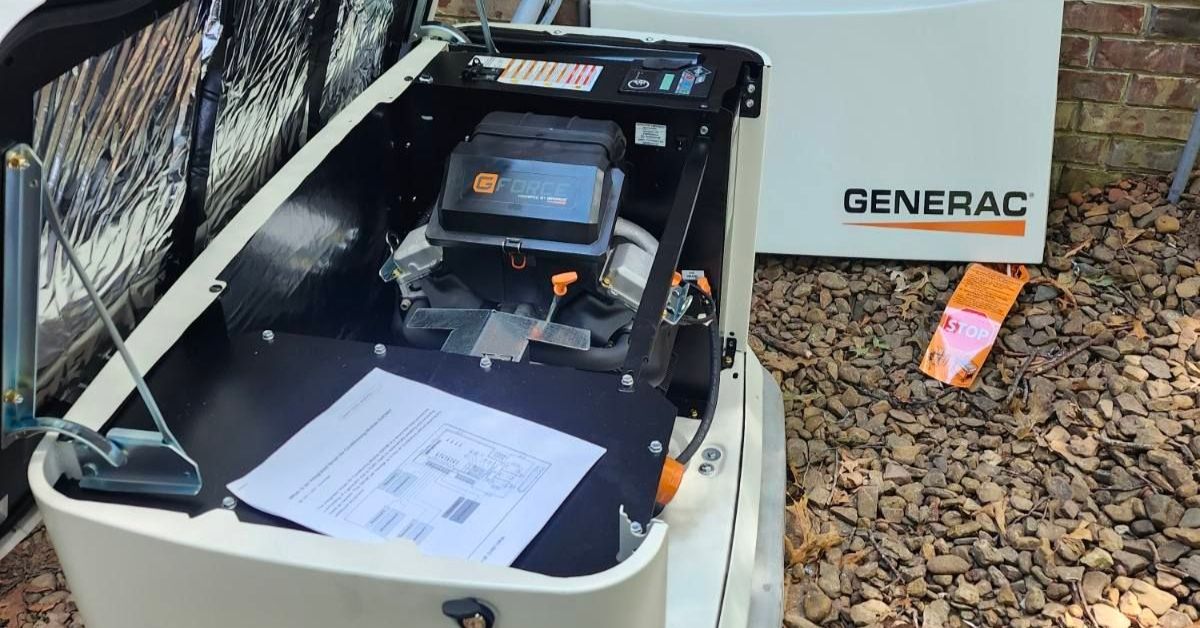
A whole-house generator is also frequently known as a standby generator. Experts install these systems so they link up directly to your home’s electrical system, automatically switching on during outages. A whole-house generator runs on natural gas or propane and turns on automatically when the power goes out. There’s no need to step outside or plug in cords.
This system can power your entire home or most major systems, depending on its size. That includes heating and cooling, kitchen appliances, lighting, and even medical equipment. You won’t need to pick and choose what stays on. Installation requires professional work, since the generator ties into your electrical panel and fuel supply. After the installation, the system stays in place and operates with minimal effort from you.
Power Capacity and Performance
Portable generators come in a range of sizes, but they have limits. Smaller units handle a few appliances, while larger ones can support more load. Still, you’ll need to manage power use to avoid overloading the system.
Whole-house generators provide much greater capacity. They are specifically designed to support your home’s electrical demands without constant adjustments. You can run multiple systems at once without worrying about what to turn off.
Think about your daily routine during an outage. If you want full comfort, a standby system delivers a more consistent experience. That said, if you’re fine with powering a few basics, a portable unit may fit your lifestyle.
Convenience and Ease of Use
Convenience plays a major role in this decision. Portable generators require hands-on setup every time the power goes out. You’ll need to store fuel, check levels, and monitor usage during operation.
Whole-house generators remove that effort. They detect power loss and start automatically within seconds. Once utility power returns, they shut down on their own. For homeowners who travel or prefer a hands-off approach, automatic operation offers clear benefits. It also helps during overnight outages when you may not want to deal with setup in the dark.
Installation and Setup
Portable generators need little installation. You can purchase one, bring it home, and use it with proper safety steps. A transfer switch adds convenience and safety, though it requires professional installation.
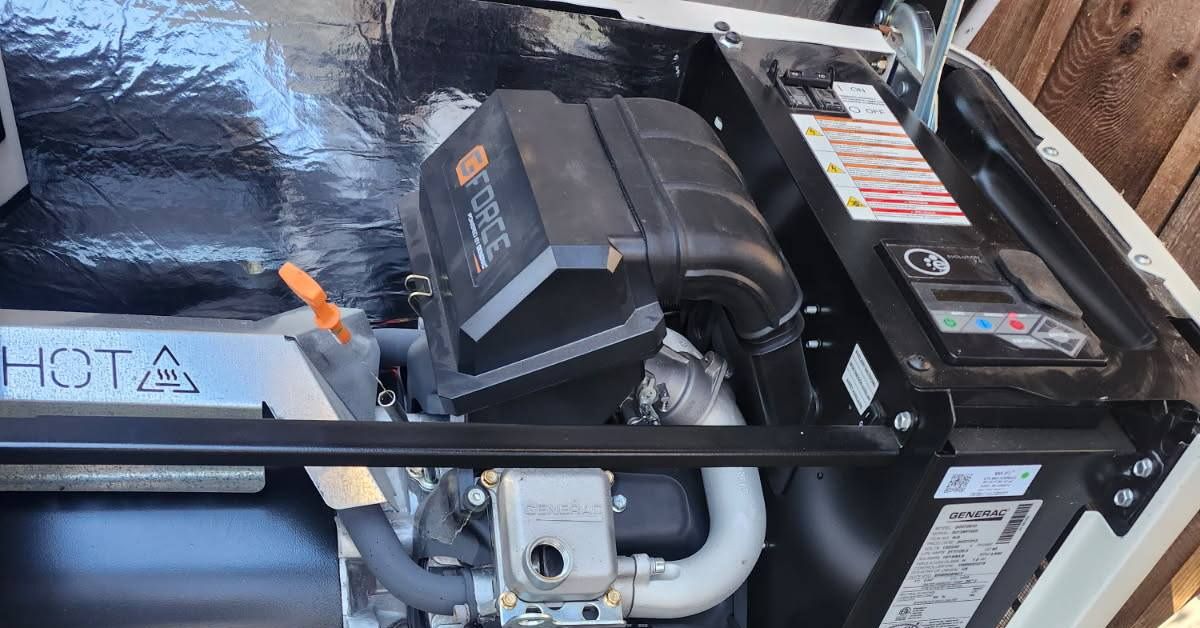
Whole-house generators involve a more detailed setup. An electrician connects the unit to your panel and installs a transfer switch. A fuel line connection is also necessary during setup. This process takes more time and planning, but it results in a permanent solution. Once complete, the system is ready to go whenever you need it.
Cost Considerations
Portable generators have a lower upfront cost. This makes them appealing to homeowners who want backup power without a large investment. Fuel costs and maintenance still apply, yet the initial expense stays manageable.
Whole-house generators come with a higher price tag due to equipment and installation. That cost reflects the level of comfort and reliability they provide. Many homeowners view this as a long-term investment in their home. It helps to weigh your budget against your expectations during an outage. If convenience and full-home coverage matter most, the higher cost may feel justified.
Maintenance and Longevity
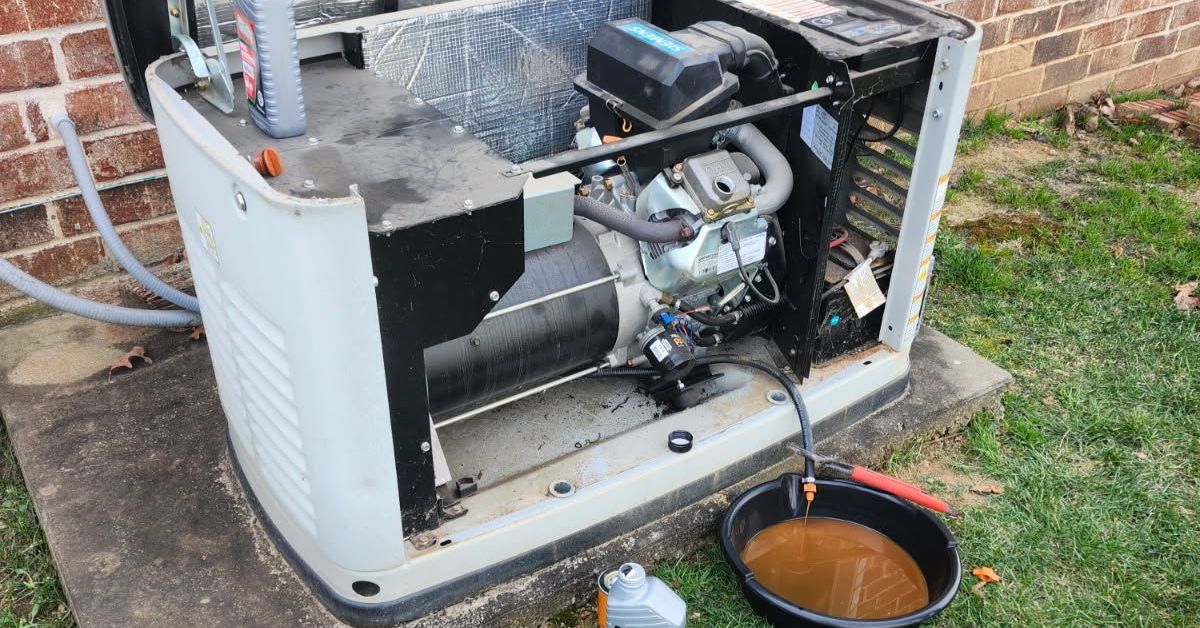
Portable generators need regular attention. You’ll need to check fuel, change oil, and run the unit from time to time to keep it ready. Storage conditions also play a role in how well it performs over time.
Whole-house generators require scheduled maintenance as well, though many systems include automatic self-checks. A professional service visit once or twice a year keeps everything in top shape. Since standby generators are built for long-term use, they tend to last longer with proper care. Portable units can last many years, too, but they may wear down faster with frequent use.
Choosing the Right Option for Your Home
Comparing portable and whole-house generators and deciding which to choose for your property is important for any homeowner. Every home has different needs, and your choice should reflect your daily life. Think about how long outages tend to last in your area and what you want to keep fully powered.
You should also consider how much effort you want to put into setup and maintenance. Some homeowners don’t mind a hands-on approach, while others prefer a system that runs on its own. A professional electrician can evaluate your home and recommend the right size and type of generator. That guidance helps you avoid guesswork and get a solution that fits your space and budget.
Final Thoughts on Backup Power
A backup generator adds comfort and reliability when the grid goes down. The right choice depends on how much power you need and how you want the system to operate.
If you’re ready to take the next step, reach out to a trusted local electrician for home backup generator services. A quick conversation can help you find the best option for your home and give you confidence before the next outage hits.