8 Signs It’s Time To Replace Your Backup Generator
Your backup generator is a quiet hero, waiting patiently in the wings for its moment to shine. When a storm hits and the lights go out, it roars to life and keeps your systems running. But this powerful machine isn’t meant to last forever.
Over time, wear and tear takes its toll, and the generator’s reliability can start to fade. Waiting for it to fail during an outage is a gamble you don’t want to take. If you’re questioning your unit’s readiness, here are signs it’s time to replace your backup generator.
1. Frequent and Expensive Repairs
Routine maintenance is a normal part of owning a generator. Oil changes, filter swaps, and battery tests are standard expenses. But when you find yourself calling a technician for unexpected breakdowns every few months, the situation changes.
These recurring failures signal that the unit’s core components are reaching the end of their lifecycle. Fixing one part only shifts the stress to the next weakest link in the chain. Investing that repair budget into a new, reliable generator is a much smarter financial move that protects your bottom line.
2. Difficulty Starting or Unreliable Self-Tests
A reliable generator should fire up immediately when the power goes out. Most units run a self-test once a week to verify their readiness. If you notice your unit struggling to turn over during these tests, take note.
Delays in starting often point to deeper issues within the engine or electrical system. It might be a sign of low compression or a failing starter motor. If the unit takes multiple attempts to start on a sunny Tuesday afternoon, it likely won’t start at all during a freezing winter night. You need a system that responds instantly to a power loss, not one that requires coaxing.
3. Increased Fuel Consumption
A generator’s fuel consumption should be predictable under specific loads. If you notice your fuel deliveries are more frequent or your tank levels drop faster than they used to during test runs, the engine’s efficiency has declined. This happens as internal components like piston rings and cylinder walls wear down over thousands of hours.
An engine that burns more fuel to produce the same kilowatt output is an engine that is losing its battle with age. This serves as a clear indicator of advanced internal wear. It’s a sure sign that the powerhouse of your generator is fading.
4. Visible Corrosion and Structural Decay
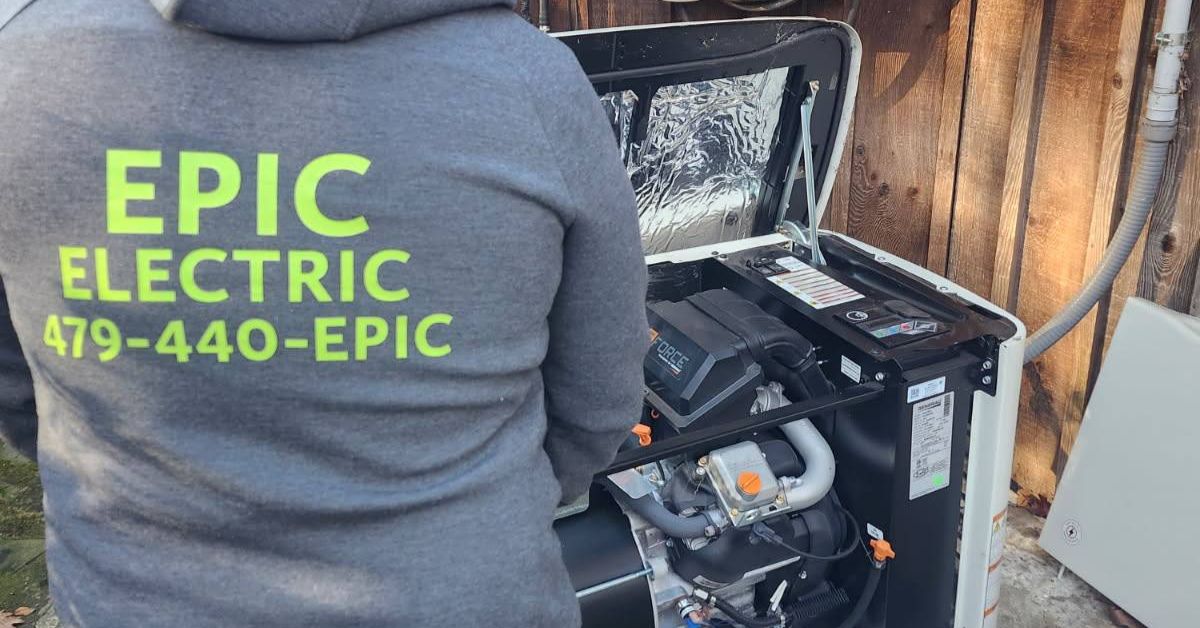
Your generator lives outside, exposed to rain, snow, humidity, and sun. Manufacturers build the enclosures to withstand the elements, but that protection fades over time. Once rust establishes a foothold, it spreads like a disease.
Corrosion on the outer casing is ugly, but rust on the inside is dangerous. It can eat through fuel lines, damage electrical connections, and compromise the structural integrity of the base. If you see rust flaking off the unit or notice corroded wires during an inspection, safety becomes a real concern. A deteriorated enclosure exposes sensitive components to moisture, which invites catastrophic failure.
5. Inconsistent Power Output
The electricity flowing into your home needs to be stable. Appliances like refrigerators, computers, and televisions rely on a steady voltage and frequency. An older generator with a failing alternator or governor can produce “dirty power.”
You might see lights flickering or hear the engine surging and hunting for a steady speed. These fluctuations can fry sensitive electronics in seconds. If your generator cannot maintain a consistent flow of power, it becomes a liability rather than an asset. Protecting your expensive home appliances requires a generator that delivers clean, stable energy.
6. Your Power Requirements Have Grown
Another clear sign it’s time to replace your backup generator is that your power needs are different now. Think about how your home has changed since you installed your current generator. You might have gradually added a central air conditioning unit, finished a basement, or purchased an electric vehicle. Each of these additions increases the electrical load your home demands.
A generator that was perfectly sized ten years ago might be woefully inadequate today. Running a generator at maximum capacity for extended periods shortens its life and risks overheating. If you have to pick and choose which circuits to run during an outage, your generator is too small. Upgrading to a larger unit allows you to power your entire life without compromise.
7. It’s Over 20 Years Old
Size isn’t the only issue you have to worry about when it comes to backup generators. Technology advances quickly. A generator built two decades ago is a world away from modern units in terms of efficiency, noise level, and features. Older models are louder, burn more fuel, and produce less “clean” power, which can be harsh on modern electronics.
New generators come with advanced features like remote monitoring via a smartphone app. You can check your generator’s status from anywhere in the world. This level of convenience and peace of mind is something older models just can’t offer. After 20 years, even a well-cared-for machine has earned its retirement.
8. Extremely High Run Hours
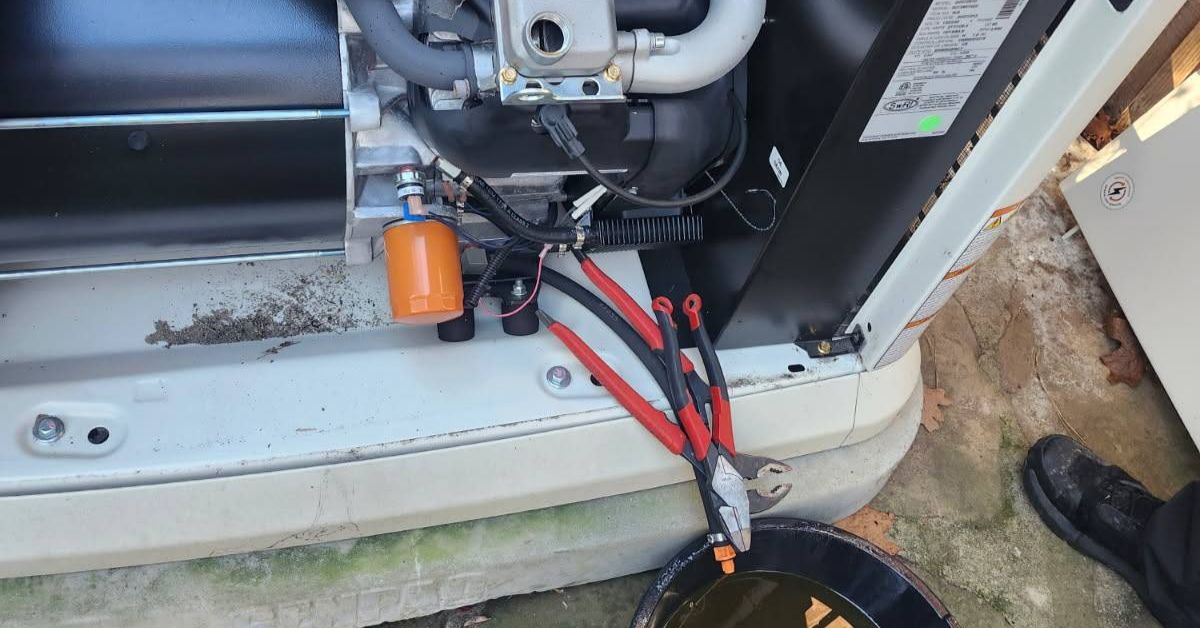
Most residential generators have an hour meter that tracks their total runtime. Check your owner’s manual to find the expected lifespan for your specific engine model. If your meter shows you are approaching the manufacturer’s limit, the engine is living on borrowed time.
Even with perfect maintenance, metal fatigue and internal wear are unavoidable. Proactively replacing a high-hour unit prevents a failure during a critical moment. It is better to retire the unit on your schedule than to have it quit in the middle of a hurricane.
The Value of Reliability
The entire purpose of a backup generator is reliability. You invest in one so you don’t have to worry about power outages. When you constantly doubt whether the machine will work, it loses its value.
Living with the anxiety of a questionable generator defeats the purpose of owning one. A new system restores that confidence. You know that when the grid goes down, your lights will stay on. This peace of mind is worth the investment.
Your backup generator is a pillar of your home. Letting it become a point of failure is a risk no homeowner can afford. Paying attention to the signs above allows you to plan a strategic upgrade instead of reacting to a disastrous outage.
If your generator is showing its age, don’t delay. Contact our team for backup generator services that will keep your property secure. We can install a new system that will protect your household for years to come.