What Whole Home Surge Protection Actually Does and What It Does Not
Whole Home Surge Protection, The power strip behind your TV is not protecting your house. It is protecting the three things plugged into it, and only against minor spikes. The refrigerator, the HVAC system, the water heater, and everything hardwired into the walls are on their own.
That gap is what whole-home surge protection closes, and most homes in Northwest Arkansas do not have it. Epic Electric installs these regularly across Benton County, and Shannon Hadley, the licensed electrician behind the business, is careful about explaining what the service does and what it does not. Getting that distinction right matters, especially heading into NWA storm season.
What a power surge actually is
A power surge is any sudden spike in voltage above the normal level running through your home’s system. Standard household voltage runs at 120 volts. When that spikes, even for a fraction of a second, it stresses the electronic components in anything connected to a circuit. The stress may not cause visible damage right away. It accumulates over time, shortening the lifespan of appliances, electronics, and HVAC systems.
Surges come from two places. External surges arrive through the power lines from outside the home, from utility grid switching, nearby equipment, or weather. Internal surges happen inside the home itself every time a large appliance cycles on. Those internal spikes are actually more frequent than the external ones, and most homeowners never notice them. The average home may see up to 100 surges a month, most of them small and invisible, slowly wearing down everything plugged in.
What a power strip does not do
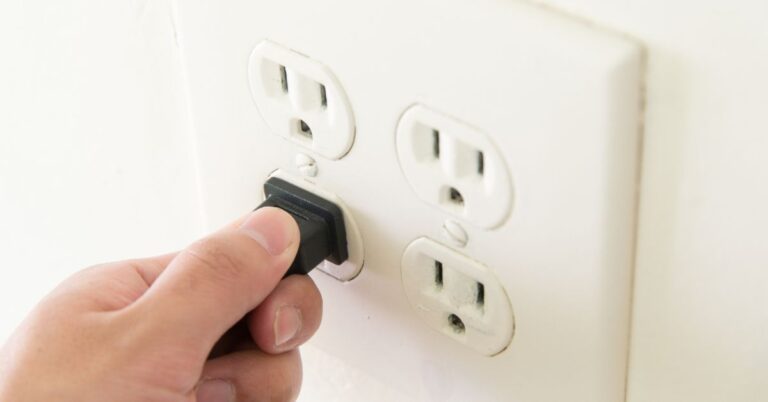
A plug-in power strip absorbs small spikes at one outlet and protects the devices plugged directly into it. Many strips offer no real suppression at all, and even good ones do nothing for the refrigerator, the HVAC system, the water heater, or anything hardwired into the home. A surge that comes in through the panel travels every circuit in the house. A strip at one outlet only stands guard at that one spot.
What whole-home surge protection does
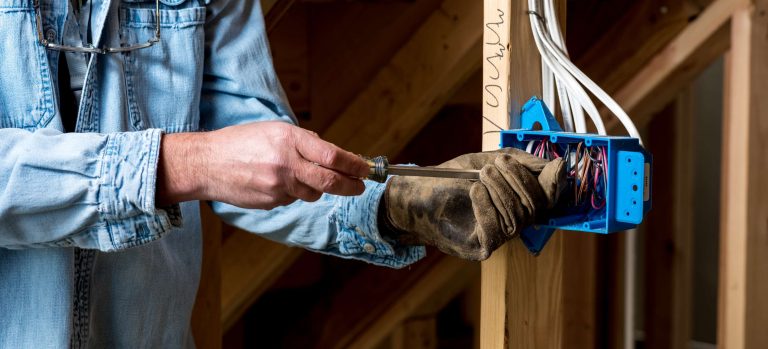
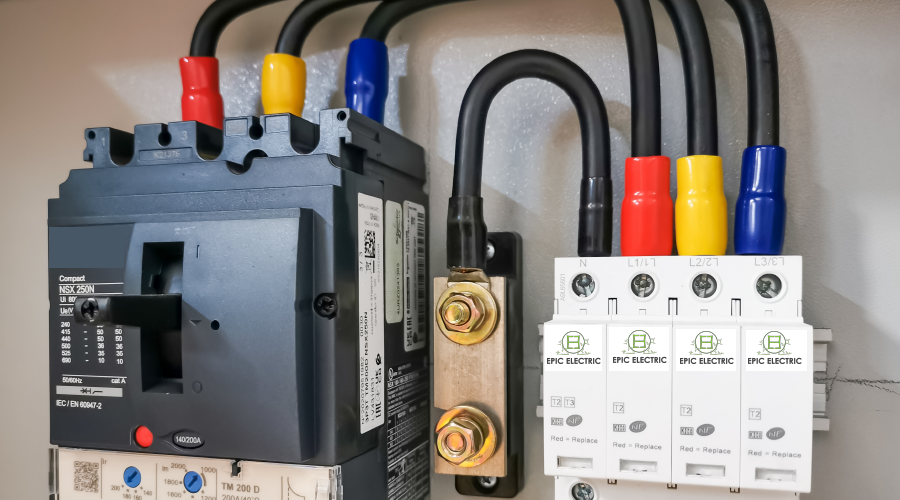
A whole-home surge protector is installed right at the electrical panel, where it watches the incoming voltage and diverts excess safely to ground before it reaches any circuit. It protects every outlet, every hardwired appliance, and every circuit in the house at once. The install is a single visit, and once it is in, there is nothing for the homeowner to manage.
The math is straightforward. The average home holds thousands of dollars in appliances and electronics, and a whole-home surge protector is a one-time installation that protects all of it. One appliance replacement tends to cost more than the protection would have.
What it does not do — and why Shannon is clear about this
Shannon’s framing on surge protection is precise, and it is worth repeating exactly as he says it.
“Surge protectors, they don’t really protect against lightning, so I wouldn’t say anything like that. It protects against everyday spikes, surges, or damaging voltage. Or high static, you know, static electricity from storms. I would actually word it like that rather than lightning.”
He is direct about the limit. Lightning is too strong. The company does not warrant surge protection against a direct lightning strike, and Shannon would not tell a customer otherwise. A direct strike delivers a surge that exceeds what any panel-level device is rated to absorb.
What whole-home protection guards against is the everyday voltage instability that NWA storm season brings through the power lines, the grid fluctuations and static spikes that come with storms short of a direct strike, and the constant internal surges from appliances cycling all day. That is the real, consistent threat to the electronics and appliances in most homes.
Why is storm season the right time
Northwest Arkansas spring and summer bring real storm activity. When storms move through, the grid takes hits. Lines go down, power flickers, and when it comes back, it does not always return at a stable voltage. That instability, repeated across a season, is exactly what whole-home surge protection is built to absorb.
Shannon’s point is a simple one: a lot of homeowners do not have it and should. It is not a complicated installation, and it is not expensive relative to what it protects. Spring and summer, when storms are most frequent, are when having it in place matters most.
Epic Electric installs whole-home surge protection across Bella Vista, Bentonville, Rogers, and Northwest Arkansas as a standalone service or alongside other electrical work. Same-day service, upfront pricing, licensed and insured. Call (479) 440-3742.