7 Most Common Causes of Residential Electrical Fires
We all want our homes to be safe havens where we can relax and unwind without worry. Yet, hidden dangers sometimes lurk behind our walls and outlets. Electrical issues are a leading reason for home disasters, but awareness gives you the power to stop them. This guide on the most common causes of residential electrical fires aims to help you spot trouble before it sparks a flame. If you suspect any electrical gremlins in your home, don’t hesitate to reach out to our team for a safety inspection today.
1. Faulty Outlets and Appliances
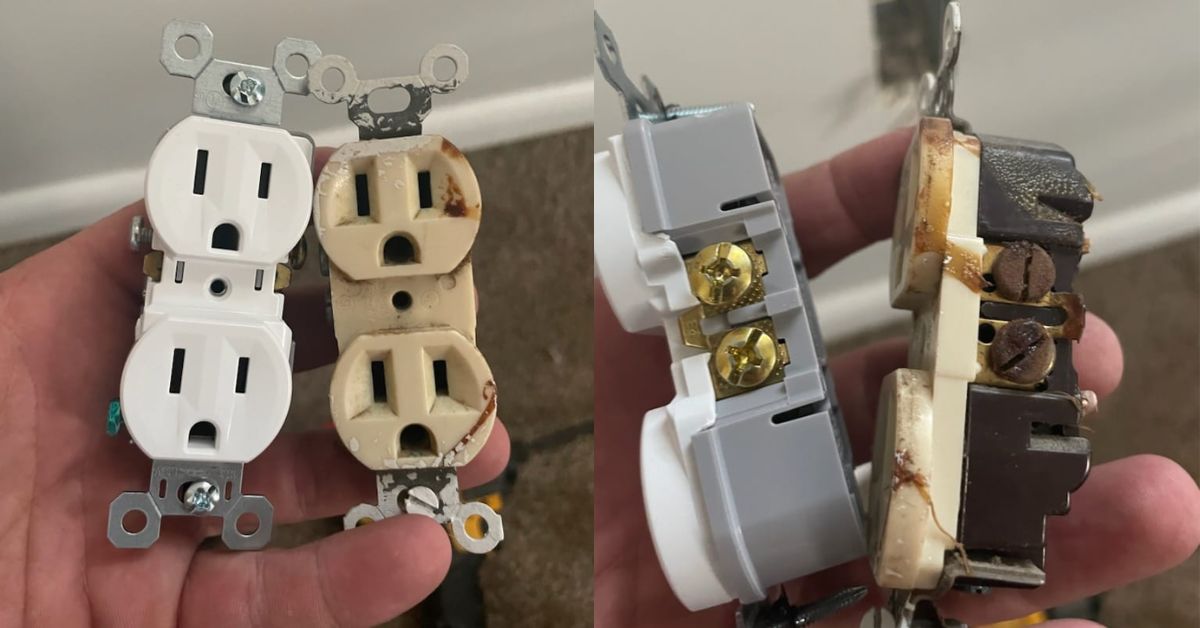
Worn-out electrical receptacles are a massive culprit when it comes to home safety. Over years of use, the internal mechanisms of an outlet can loosen or degrade. You might notice plugs falling out easily or outlets that feel warm to the touch. These are warning signs that the connection is poor, which can generate excessive heat.
Old appliances present another serious risk. That vintage toaster or ancient space heater might have frayed cords or damaged internal wiring. When an appliance malfunctions, it can send surges of electricity that the device can’t handle. This surge generates heat that can ignite nearby materials like curtains or rugs.
Always check your appliances for signs of wear and tear. If a cord looks chewed up or the device acts glitchy, replace it immediately. It’s better to buy a new coffee maker than to risk your kitchen.
2. Light Fixtures and Bulbs
We rarely think about our light fixtures until a bulb burns out. However, installing a bulb with a wattage that’s too high for the fixture is a recipe for disaster. If a lamp says “60 watts max,” putting in a 100-watt bulb creates intense heat. This heat can melt the socket and the wire insulation, leading to a fire.
Another issue arises when people place materials like cloth or paper over a lampshade. We’ve all seen someone drape a scarf over a lamp for “mood lighting.” This restricts airflow and traps heat, which can easily cause the fabric to catch fire.
Always check the recommended wattage on your fixtures. Stick to that limit religiously. If you want brighter light, switch to LED bulbs, which produce more light with far less heat and energy usage.
3. Misuse of Extension Cords
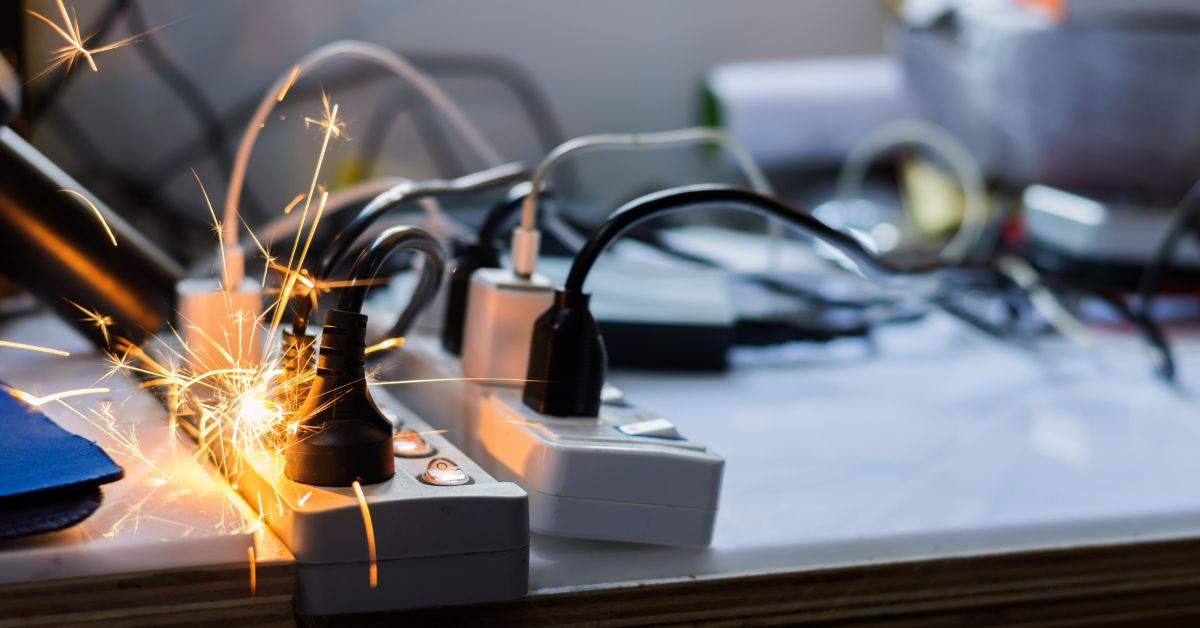
Extension cords are convenient temporary solutions, but people abuse them constantly. They are not ideal for permanent use. Running cords under rugs or carpets is a classic mistake. Foot traffic damages the wires inside, while the rug traps heat that the cord generates.
Overloading an extension cord is another common error. Plugging a power strip into an extension cord, and then plugging a heater, a TV, and a computer into that strip, draws way too much current. The cord will overheat and can melt its insulation.
Only use extension cords for short-term needs. If you find yourself relying on them daily, call an electrician to install more outlets. It’s a safer and more permanent fix.
4. Space Heaters
Portable heaters are fantastic for warming up a chilly room, but they demand respect. These devices draw a large amount of power and generate intense heat. Placing a heater too close to combustible items is a primary cause of fires.
Imagine putting a heater right next to your bed or a pile of laundry. It only takes a few moments of contact or close proximity to ignite those materials. Many modern heaters have tip-over protection, but older models might not. If a heater falls over onto a carpet, the results can be devastating.
Keep space heaters away from anything that can burn. Never leave them running when you leave the room or go to sleep. Treat them with caution, and they will keep you warm safely.
5. Outdated Wiring
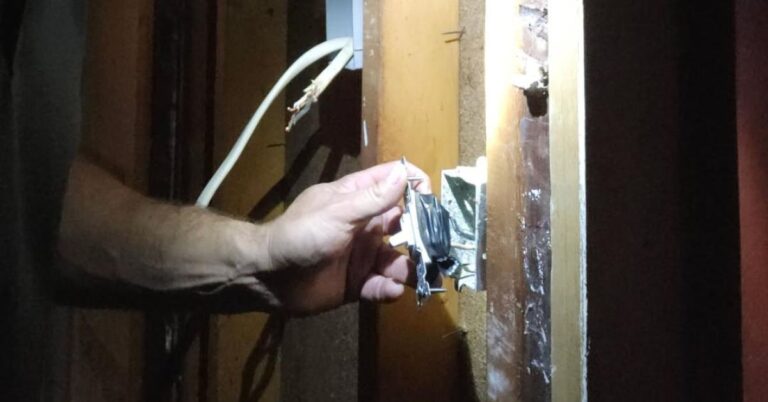
Homes built decades ago were not designed for today’s power-hungry lifestyle. Fifty years ago, a household might have had a TV, a fridge, and a few lights. Today, we have computers, gaming consoles, air fryers, and smart devices running simultaneously. Old wiring systems struggle to keep up with this demand.
When you push old wires beyond their capacity, they heat up. The insulation on these wires is typically brittle and cracked from age. This combination creates a perfect storm for an electrical fire inside your walls.
If your home is over 40 years old and hasn’t had an electrical update, schedule an inspection. An electrician can tell you if your system is up to code. Upgrading your panel and wiring is an investment in your safety and your home’s value.
6. Overloaded Circuits
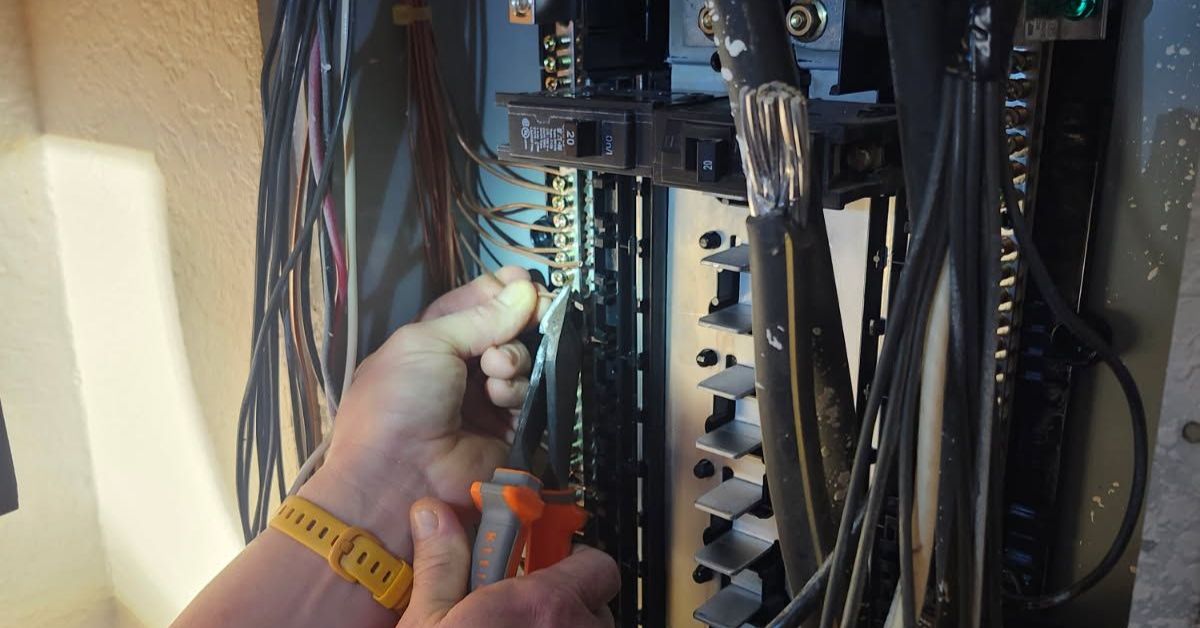
Another one of the most common causes of residential electrical fires is an overloaded circuit. We love our gadgets, but our circuit breakers have limits. Most circuits can handle a specific amount of electrical load. When you plug too many high-wattage devices into one circuit, you risk an overload.
Think about your kitchen. You start the microwave, the toaster oven, and the coffee pot all at once. Suddenly, the lights flicker or the breaker trips. This is your system screaming for help. While the breaker is a safety mechanism, constant overloading stresses the system and wears down connections.
Learn which outlets are on which circuits. Spread your heavy-duty appliances across different circuits to balance the load. If you constantly trip breakers, you likely need a dedicated circuit for those power-hungry devices.
7. DIY Electrical Work
The “do-it-yourself” spirit is admirable for painting or gardening, but electrical work is different. Watching a ten-minute video online doesn’t make someone a qualified electrician. Mistakes in wiring are sometimes invisible until it’s too late.
A loose connection, a crossed wire, or using the wrong gauge of wire can all lead to catastrophic failure. You might install a new ceiling fan and think it works fine because it spins. However, if the connections inside the junction box are loose, they can arc and spark over time.
Leave electrical work to the professionals. They understand codes, load calculations, and proper installation techniques. The money you save doing it yourself is never worth the risk to your home and family.
Protecting Your Home
Understanding these risks allows you to take proactive steps. A few simple checks and changes can drastically reduce the chance of an electrical fire. Walk through your home today and look at your outlets, cords, and appliances with fresh eyes.
Awareness is your best defense. Don’t ignore flickering lights, buzzing sounds from outlets, or burning smells. These are your home’s way of telling you something is wrong. Address these issues promptly to keep your household secure. If you need a professional to assess your home’s wiring or fix a problem, contact our 24-hour emergency electrician services now to schedule an appointment.